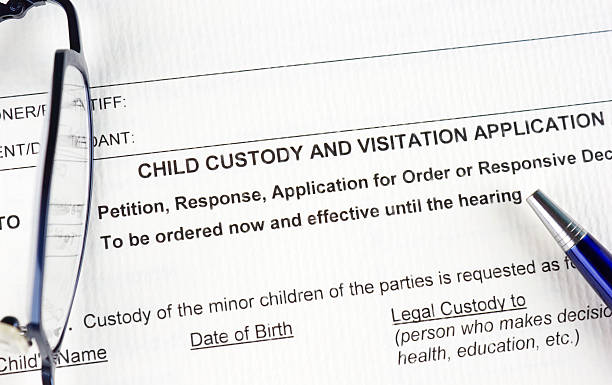
To register an out-of-state custody order in Texas, send the appropriate Texas court: (1) a request to register, (2) two copies of the order (one certified), (3) a sworn statement the order hasn’t been modified, and (4) names and addresses of the parties (with safety exceptions). The court serves notice; the other parent has 20 days to contest.
Moving to North Texas doesn’t erase an out-of-state custody order. But if you need a Dallas, Collin, Denton, or Tarrant County court to enforce it, registering the court order is often the fastest path forward. This guide gives a file-ready checklist, a simple timeline, and what to do if privacy or safety is a concern.
Quick Answer
Gather the current controlling order and required legal documents, file the UCCJEA registration packet in the appropriate Texas county, then watch service and the 20-day contest window before seeking enforcement carefully.
- Collect two copies (one certified) + sworn “not modified” statement.
- File your registration request + parties’ names/addresses (seal if safety risk).
- Track notice and the 20-day contest deadline; then pursue enforcement if needed.
Tip: Clerk rejections most often happen when a packet is missing the certified copy, sworn statement, or current controlling order.
Legal analysis by Christopher Migliaccio (Texas Bar #24053059).
Key facts you should know before you register an out-of-state custody order in Texas (Quick Table)
| Key fact | Quick Texas answer |
|---|---|
| What “registration” is | Filing an out-of-state child custody determination so a Texas court can treat it like a filed foreign judgment for enforcement. |
| What you must file | Request to register + two copies (one certified) + sworn “not modified” statement + names/addresses (with safety exceptions). |
| Deadline that matters | The other parent generally has 20 days after service of notice to request a hearing to contest. |
| Who gets involved | Usually the district clerk/court clerk; a process server may be needed for related enforcement filings or to obtain an emergency custody order. |
| Texas vocabulary | “Custody” is often conservatorship; visitation is possession and access. |
Risk markers (slow down and consider legal help):
- Address confidentiality or family-violence safety concerns
- The order has been modified, stayed, or vacated (you must register the current controlling order)
- You want to change custody/visitation (Texas may not have jurisdiction to modify)
Can I register my out-of-state custody order in Texas—and what does registration actually do?
Yes—Texas law allows a person requesting registration to register an out-of-state child custody order in a Texas state court so Texas can enforce it. Registration is not about re-litigating who should have custody. It is mainly about making the existing custody and visitation terms usable in a Texas court if enforcement becomes necessary.

Here’s what registration does (and doesn’t) do; for more detailed guidance on interstate child custody and the role of the UCCJEA, consult this Uniform Child Custody Jurisdiction and Enforcement Act resource:
- Does: Puts the order “on file” so Texas can use Texas enforcement tools if a parent won’t follow the schedule.
- Does: Lets you register with or without filing an enforcement request at the same time.
- Does not: Automatically change the parenting schedule or “transfer custody” to Texas—modification has separate jurisdiction rules.
Related Guide: Child Custody
Register only vs. register + enforce vs. try to modify (Decision Tree)
The right filing depends on whether you want Texas to recognize the order, enforce it, or change it.
| Your goal | What to file | What to expect next |
|---|---|---|
| Register only | Registration packet | Order is filed; notice goes out; registration can be confirmed if not contested. |
| Register + enforce | Registration packet plus enforcement request | Texas can enforce the schedule using Texas remedies; a hearing may be needed. |
| Try to modify | A separate modification case (registration alone won’t do it) | Texas usually cannot modify unless UCCJEA jurisdiction rules are met. |
What if I’m worried about sharing my address in the registration paperwork?
If sharing your address could put you or your minor child at risk, Texas law allows courts to limit or seal identifying information. Privacy and safety concerns can affect what you file and how it is served. We recommend speaking with a custody lawyer before filing if family violence or stalking is involved.
A Personal Story from Attorney Migliaccio
Recently, I met with a parent who moved to Texas with an out-of-state custody order. They were facing a problem: the other parent stopped following visits. As we talked through options, I noticed they had only a copy and no proof it was current. This reminded me why registration matters so much. We worked together to get a certified copy, sign the “not modified” affidavit, and file the packet with the district clerk.
What struck me most was the relief once the court served notice and the next steps were clear. Over my 20 years practicing law, I’ve learned that one missing document can delay a case for weeks. This case reinforced that details protect a child’s routine. Every situation is unique, but the principles remain constant. When families trust us with custody, we take it seriously. If you’re facing something similar, know that there’s always a clear path forward.
Do I also need to register child support, or is that a different process?
Child support registration is usually a different process from custody registration in Texas. Custody and visitation registration/enforcement is handled under the UCCJEA (Uniform Child Custody Jurisdiction and Enforcement Act). Child support registration/enforcement is typically handled under UIFSA (Uniform Interstate Family Support Act). Even if both are in the same out-of-state decree, treat them as two separate “tracks.”
Related Guide: Child Support Order Modifications & Enforcements

Case Study – From “Paper Order” to Enforceable in North Texas (Outcome + Timeline)
When a parent relocated to North Texas with a valid out-of-state custody order, the other parent began refusing exchanges, turning what should have been an enforceable parenting schedule into a growing source of conflict and uncertainty.
Result (timeline metric): In that matter, registration was confirmed after the statutory contest window passed, and we were prepared to pursue Texas enforcement steps within about 40 days from filing (timing varies based on service and court calendars).¹
Case Study: Turning a “Paper Order” Into Enforceable Parenting Time in North Texas

Problem: A parent relocated to North Texas with a valid out-of-state possession schedule, but the other parent began refusing exchanges. They felt stuck—“I have an order, but no one here will enforce it”—and were worried more conflict would disrupt the child’s routine.
Action: We focused first on clean UCCJEA registration. We obtained the current controlling order, secured a certified copy, prepared the required sworn ‘not modified’ statement, and filed a complete registration packet with the district clerk so the court could serve notice and start the 20-day contest window.
Result: After the statutory contest period passed without a successful challenge, the registered order was confirmed. The client then had a clear pathway to pursue Texas enforcement tools, and we were positioned to move forward within about 40 days from filing (timing varies by service and court calendars).
Takeaway: If you need enforcement in Dallas, Collin, Denton, or Tarrant County, the fastest path is often a complete registration packet—missing certification or “not modified” paperwork can delay everything.
Strategy highlights:
- Filed a complete packet on day one (certified copy + sworn statement + correct parties/addresses).
- Prepared for a contest by organizing proof the order was current and properly issued.
- Kept custody registration separate from UIFSA child support work to avoid clerk delays.
How do you register an out-of-state custody order in Texas? (Step-by-Step)
You register an out-of-state custody order in Texas by filing a short registration packet with the appropriate Texas court, then waiting through notice and the 20‑day contest window.

Step 1: Confirm you have the right order (final/current version)
You should register the current controlling custody order—meaning the most recent version that hasn’t been stayed, replaced, or vacated. If the order has been modified, gather the newest version before filing.
Step 2: Get two copies (including one certified copy)
You need two copies of the custody order, and one must be certified. A “certified copy” is a court-stamped copy from the issuing state’s clerk showing it is an official copy of your order.
Step 3: Build the “registration packet”
Your registration packet should match the statute’s checklist so the clerk can file it without a back-and-forth.
Registration packet checklist (snippet-ready):
- Request to register (letter or other document requesting registration)
- Two copies of the order (including one certified copy)
- Sworn statement (under penalty of perjury) that the visitation order has not been modified
- Names and addresses of parents / persons acting as parents awarded custody or visitation (subject to safety exceptions)
Tip: TexasLawHelp publishes sample forms and plain-English instructions that many families use as a starting point.
Step 4: Choose where to file in Texas (DFW-focused, statewide accurate)
You must file the packet in the “appropriate court” in Texas. Often, this means the county where the child lives or where enforcement will be sought. Local facts and practices may change the exact location.
DFW mini-guide: In Dallas, Collin, Denton, and Tarrant counties, a practical first step is contacting the district clerk. Check filing location, format requirements, number of copies, and e-filing rules.
Step 5: File the packet (E-file or in person) + fees/fee waiver
You may be able to file through Texas’s e-filing system or in person, depending on the county. Filing fees vary by county. If you cannot afford costs, ask about a fee waiver (sometimes called a statement of inability to afford payment of court costs).
Step 6: Notice to the other parent + 20-day contest window
After filing, the clerk serves notice to the other parent. The parent contesting registration must request a hearing within 20 days. If no timely request is filed, the registration can be confirmed.
Step 7: What happens after confirmation
Once confirmed, Texas can enforce the order using local enforcement tools. Texas cannot modify the order unless UCCJEA modification rules are met.
Registration timeline (high-level):
| Stage | What it means for you |
|---|---|
| File packet | Clerk reviews for completeness and files it. |
| Notice served. If you need to know more about the next steps, including how to file for divorce, see our guide on how to file an Original Petition for Divorce in Texas. | The other parent is formally notified. |
| To better understand the 20-day contest window and the overall divorce process, see our step-by-step guide to filing for divorce in Dallas County. | Time to request a hearing to contest registration. |
| Confirmation | If not contested (or if contested and upheld), the order is confirmed. |
| Enforce/next steps | You can pursue enforcement; modification is separate and jurisdiction-limited. |
What Texas laws control registration, enforcement, and modification of out-of-state custody orders?
Texas Family Code Chapter 152 (the UCCJEA) sets the rules for registering and enforcing an out-of-state child custody determination in Texas.
- Tex. Fam. Code §§ 152.305–.306: Covers what you must file, what notice must include, the 20‑day contest rule, and what enforcement tools Texas can use after registration.
- Tex. Fam. Code §§ 152.203–.204: Explains why Texas can’t automatically change another state’s order and when Texas may act in emergencies.
- Tex. Fam. Code § 152.209: Addresses information requirements and supports limiting disclosure when safety is at risk.
- Case law example: Texas courts have published decisions interpreting UCCJEA jurisdiction concepts like “home state,” including Powell v. Stover (Texas Supreme Court), which is often cited in jurisdiction disputes.
Common mistakes we see when people try to register an out-of-state custody order in Texas
The most common problems we see are missing paperwork, misunderstanding what registration does, and mixing custody rules with child support rules.
- Myth: “Registration changes custody.”
Reality: Registration mainly makes the order enforceable in Texas; changing the schedule is a separate process with strict jurisdiction limits. - Myth: “We can skip notice to the other parent.”
Reality: Notice is built into the registration process, with limited safety-based exceptions and protections. - Myth: “Any copy works.”
Reality: Texas requires two copies, including one certified copy. - Myth: “Custody registration and child support registration are the same.”
Reality: Custody/visitation uses UCCJEA rules; child support usually uses UIFSA rules. - Myth: “If they don’t contest, they can fight registration forever later.”
Reality: Confirmation can limit later contests over custody issues that could have been raised during registration.

Frequently Asked Questions
Registration Basics
Can I register an out-of-state custody order in Texas—and what does registration actually do?
To register an out-of-state custody order in Texas, you file a UCCJEA registration packet. Once filed, the Texas court can treat the out-of-state order like a Texas order for enforcement. Registration makes the order enforceable in Texas as of the filing date.
A custody determination from another state can be registered with or without a simultaneous enforcement request. The court must serve notice on the other parties. Notice explains the 20-day deadline to request a hearing to contest registration. If no timely contest is filed, the registration is confirmed. Texas must recognize and enforce qualifying out-of-state orders and accord full faith and credit to certain UCCJEA-consistent enforcement orders.
Registration does:
- Place the order on file.
- Unlock Texas enforcement tools for possession, visitation, and decision-making.
Registration does not:
- Change conservatorship or modify the schedule. Modification has separate rules.
If you need enforcement in Dallas, Collin, Denton, or Tarrant County, confirm local e-filing and service requirements before filing.
Required Documents
What documents do I need to register an out-of-state custody order in Texas?
You must file:
- A letter requesting registration.
- Two copies of the custody order (one certified).
- A sworn “not modified” statement.
- Parties’ names and addresses (with safety exceptions).
Clerks often reject packets missing the certified copy or sworn statement. A “child custody determination” covers custody and visitation, not child support, which is handled under UIFSA. Always register the current controlling order, including amendments, to avoid confusion.
Common clerk-rejection triggers:
- Uncertified printout instead of certified copy.
- Leaving out later modification orders.
- Missing party addresses when no safety affidavit is provided.
- Using an outdated, vacated, or stayed order.
Where to File
Where do I file to register an out-of-state custody order in Texas?
Generally, file in the county where the child lived for six consecutive months. This is usually the appropriate registering court under the UCCJEA. For infants under six months, use the state of birth.
DFW examples:
- Collin County child → Collin County district court.
- Dallas County child → Dallas County district court.
- Recent move → prior state may still be home state for six months.
If residence history is complicated or another state has a pending case, consult a qualified attorney. Mistakes can cause months of delay.
Privacy and Safety
Can I register without revealing my address if there’s family violence or stalking?
Yes. If disclosing your address risks safety, the court can seal that information. Texas requires names and addresses in the registration packet, except as provided in state law. Courts can seal identifying information unless a judge orders disclosure after a safety hearing. Families can also use the Texas Address Confidentiality Program for added privacy.
Practical tips:
- Put confidential details in a sworn affidavit (not your cover letter).
- Ask the clerk how to file sealed documents in your county.
- Consider legal representation for protective orders or safety planning.
- Address safety concerns before filing—errors are hard to fix.
Costs and Fees
How much does it cost—and can I waive fees?
County filing fees range from $150–$350, plus service costs. You may request a waiver using a “Statement of Inability to Afford Payment of Court Costs.” Fees vary by county, and total costs depend on whether you register only or also request enforcement.
Typical costs:
- Filing fee to open the case.
- E-filing service fees (if required).
- Service of process fees.
- Certified copy fees from the issuing state.
Call your district clerk to confirm fees and e-filing requirements.
Timing and Contests
How long does registration take?
Registration usually takes the clerk’s processing time plus service and the 20-day contest window. If service is quick and no one contests, custody cases often finish in 30–45 days.
Common delays:
- Service cannot reach the other parent.
- Incomplete packet (missing certification, “not modified” statement, addresses).
- The other parent contests, requiring a hearing.
If visits are being denied, talk to an attorney about filing registration and enforcement together.
What happens if the other parent contests within 20 days?
The other parent may contest only on limited grounds: jurisdiction, modification, vacatur, or notice errors in the issuing state. Courts confirm the registered order unless one of these narrow grounds is proven. Late challenges are generally barred.
Documents to bring for the hearing:
- Certified copy of the controlling order and modifications.
- Proof the order was properly issued.
- Service/notice documents from the issuing state.
Legal representation is recommended for complex jurisdictional fights.
Modification and Emergencies
Can Texas modify an out-of-state custody order—and what about emergencies?
If the child has lived in Texas six consecutive months, Texas may have “home state” status and can sometimes modify the original order. UCCJEA rules limit modification.
Emergency exceptions allow temporary jurisdiction if the child is abandoned or at risk of abuse.
Key points:
- Home-state status supports initial jurisdiction.
- Registration alone does not allow modification.
- Texas enforces but may not modify without UCCJEA compliance.
Seek advice before filing if changes are needed.
Legal Authorities (Endnotes)
These are the primary legal authorities discussed in this guide.
- Tex. Fam. Code §§ 152.305–.306 (UCCJEA: registration and enforcement of out-of-state child custody determinations).
- Tex. Fam. Code §§ 152.203–.204 (UCCJEA: modification jurisdiction and temporary emergency jurisdiction).
- Tex. Fam. Code § 152.209 (information requirements; safety-based limits on disclosure).
- Tex. Fam. Code ch. 159 (UIFSA: interstate child support registration/enforcement framework).
- Texas Law Help: “I want to register my custody orders from another state in Texas” (self-help steps and sample forms).
- Powell v. Stover, 165 S.W.3d 322 (Tex. 2005) (UCCJEA jurisdiction discussion).
Talk With a North Texas Custody Attorney About Your Options
If you have questions about registering, enforcing, or modifying an out-of-state custody order in Dallas, Collin, Denton, or Tarrant, speaking with an attorney can provide clarity. At Warren & Migliaccio, our attorneys have assisted North Texans with interstate custody matters since 2006. We help them understand their rights and the practical steps involved under Texas law.
We offer free consultations to discuss your situation and outline your options so you can decide the best path for your family. To schedule a conversation with our team, call (888) 584-9614 or contact us online.
Disclaimer: This article is for general informational purposes only and is not legal advice. Reading this article or contacting Warren & Migliaccio, L.L.P. does not create an attorney-client relationship. Every case is different, and past outcomes do not guarantee future results.


