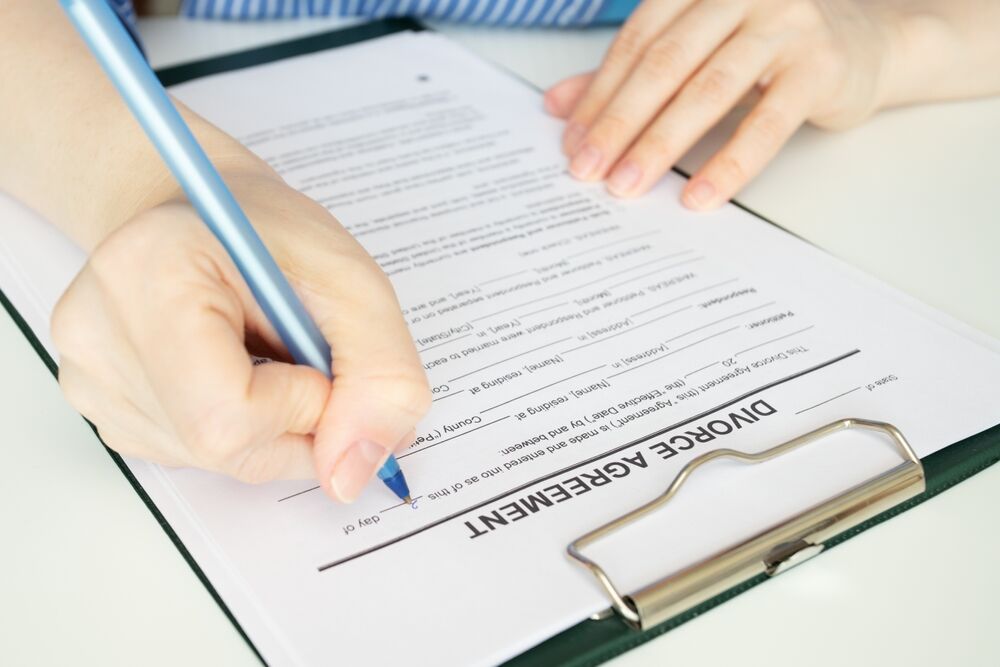
Quick Answer: Are divorce records public in Texas?
Most Texas divorce records are public, but you can access them safely and protect sensitive details through clerk requests, required redactions, and targeted sealing motions under Texas civil procedure rules.
- Request copies from the district clerk in the county where your divorce case was filed.
- Confirm SSNs, birthdates, and account numbers are redacted under Tex. R. Civ. P. 21c.
- Consult a Texas family-law attorney about a targeted Rule 76a sealing motion to protect exhibits.
Introduction to marriage and divorce records
Most Texas divorce records are public. You can usually access the divorce decree and case records from the district clerk’s office that handled the case, unless a judge seals them by court order under Tex. R. Civ. P. 76a. For statewide proof of divorce, the Texas Department of State Health Services (DSHS) Vital Statistics issues divorce verification letters and maintains divorce indexes; these are legal substitutes for a “divorce certificate” in Texas.
According to the Texas Public Information Act (Gov’t Code Chapter 552), most government records are public, but judicial records are governed by court rules (see Gov’t Code §552.003(1)(B)) and the sealing standard in Rule 76a.
We know privacy worries are real. If you’re facing a divorce in the DFW area, we can help you protect sensitive information at each step. Since 2006, Warren & Migliaccio, L.L.P. has guided North Texas families through Texas divorces with care. Call (888) 584-9614 for a free consultation.
Marriage and divorce records include sensitive information about the parties involved. Counties keep divorce documents (like decrees and court filings) through the district clerk or county clerk, while the DSHS Vital Statistics Section—a division within Texas Health and Human Services—maintains marriage and divorce verification letters and indexes.
The divorce process can feel like a complicated process. Different types of divorce records exist: brief statewide verification letters, detailed divorce decrees, and the entire record of divorce proceedings. A divorce record is the most detailed and includes all court filings, motions, and details concerning assets and minors involved. Understanding which record you need helps you request the right document quickly.
Texas’s “open records rule” comes from the Texas Public Information Act (Gov’t Code ch. 552). However, judicial records are not subject to the PIA (§552.003(1)(B)). Access to family court files instead follows court rules like Tex. R. Civ. P. 76a (sealing) and Tex. R. Civ. P. 21c (redacting sensitive data such as SSNs, birthdates, and bank accounts).
Case Study: Protecting a Mother’s Privacy in a Collin County Divorce
Problem: A Collin County mother came to us in the middle of a custody case with a prior protective order. She was terrified that her home address, workplace, and children’s school would appear in the public court file and give an unsafe person a roadmap to her family.
Action: We sat down and explained what is normally public and what can be protected. Then we used Texas redaction rules to remove Social Security numbers, account details, and full names from filings, requested initials for the child, and filed a targeted motion asking the judge to restrict access to sensitive exhibits and child-protection records.
Result: The judge declined to seal the entire case, but granted a narrower order that limited who could view certain documents and kept the most sensitive information out of easy public reach. Our client left court feeling safer and more in control of her privacy.
Takeaway: Texas courts rarely seal a divorce file completely, but smart, focused requests can still provide strong privacy protection. If you’re worried about safety or sensitive details in a divorce, talk with a lawyer early about building a targeted privacy strategy.

Types of documents available
- Divorce decree: A document signed by the judge that finalizes the divorce. It covers property division, marital debt, support payments, and child custody/custody agreements (Texas calls this conservatorship). It may also incorporate settlement agreements and a divorce agreement about retirement accounts, shared bank accounts, insurance policies, and other marital assets.
- Divorce pleadings: These are the legal documents that start and move the case—petitions, answers, motions, and supporting exhibits. In many instances, divorce pleadings list assets, debts, and divorce details that people might consider private.
- Divorce case records: This refers to the entire record of the case—case records include all court filings, orders, and judgments. In some circumstances, certain items can be restricted or redacted to protect sensitive information about minors involved, sensitive criminal information, and financial identifiers (see Tex. R. Civ. P. 21c: rules link).
- Verification letters / indexes: Unlike some states, Texas does not issue a “divorce certificate.” Instead, DSHS Vital Statistics issues a divorce verification letter (a legal substitute) and maintains divorce indexes that confirm the marriage status change, the divorce city and county, and the date—without the terms of the final decree (DSHS: Marriage & Divorce Verifications).
- Divorce certificate: A document that states the names of the divorced parties, where the divorce took place, and when it was finalized.

At a glance: Texas Divorce Records
| Record type | What the divorce record includes. | Where to get it | Who can access |
|---|---|---|---|
| Divorce decree | Final terms: property division, support payments, custody agreements, name change | District clerk’s office for the case county | Usually public unless sealed; sensitive data redacted |
| Divorce pleadings | Petitions, motions, exhibits, bank accounts, assets, debts | District clerk or county clerk’s office (depending on county) | Public with redactions; exhibits may be restricted |
| Divorce case record | All case records and court orders | District clerk’s office or local online portal | Public unless limited by court order under Rule 76a |
| Divorce verification letter | Confirmation of divorce, divorce city, county, date (no terms) | DSHS Vital Statistics (statewide) | Public; fee applies |
| Divorce indexes | Names, county, year | DSHS Vital Statistics (statewide) | Public; fee applies |
Authorities: Tex. R. Civ. P. 76a (sealing standard), Tex. R. Civ. P. 21c (redaction), DSHS Vital Statistics (verification letters/indexes).
Questions about which record you need? Our North Texas family law team can help you determine the right document and protect privacy wherever possible. For guidance, call us at phone number (888) 584-9614 for a free consultation.
Accessing court records
You can access divorce records through the district clerk’s office (or county clerk, depending on the county) where the case was filed. In most counties, clerks accept requests in person, by mail, or online. Additionally, some counties use the statewide portal re:SearchTX. For example, Harris County District Clerk offers robust online searches (Harris County District Clerk). In many situations, persons seeking access to divorce records must provide proof of their relationship to the parties involved. And if you are wondering what to do if you can’t locate your former spouse for divorce proceedings, learn the steps to take in Texas.
Expect a formal request and fees for copies. In some cases, certified copies may require a driver’s license or other ID; procedures vary by county and by the status of the individuals involved. Generally, the clerk may grant access to view public documents, but protected data will be redacted under Rule 21c. As a result, individuals can access divorce records, but they often need to prove their relationship to the parties involved in the divorce.
Government agencies also help. Specifically, for Texas divorce records that only verify the event, order from DSHS Vital Statistics. Through this agency, you can request divorce verification letters and divorce indexes statewide.
Third-party websites and third-party sites may advertise public divorce record lookups. While some may be useful, availability and reliability vary, and they are not government-sponsored. Therefore, always confirm with the clerk or DSHS before relying on a third-party result.
Public access to divorce records in Texas
Divorce records public policy is the default. In Texas, public means the public can view court records unless restricted by law or court order. Moreover, judges can seal divorce records only when the strict Rule 76a standard is met (Texas Courts – TRCP). As a result, the process to seal divorce records requires a compelling reason to be presented to the court.
Sensitive information receives protection. For example, Tex. R. Civ. P. 21c requires filers to omit or mask Social Security numbers, dates of birth, and bank accounts. Additionally, Gov’t Code §552.147 also shields SSNs. Furthermore, Texas Family Code §261.201 makes child abuse/neglect reports confidential. Likewise, Texas Family Code §82.011 allows address confidentiality in protective order filings (§261.201; §82.011). Meanwhile, divorce certificates and decrees are generally only available to the parties involved and their attorneys. Together, these rules protect sensitive information contained in divorce filings while maintaining public access.
Requesting access often requires names or a case number. Typically, the district clerk can help locate the divorce case record. However, fees apply for copies and certifications. Importantly, the old “open records rule” or “open record rule” doesn’t control court files; court rules and orders do. Because of this, locating divorce records can be more difficult compared to other public records in Texas.
Online resources for divorce records
- re:SearchTX: First, this is a statewide portal for searching many Texas court filings, although availability depends on the county.
- Harris County District Clerk: Next, you can search Harris County civil and family court case records online (Harris County District Clerk).
- DSHS Vital Statistics: In addition, you can order divorce verification letters, view divorce indexes, and learn about legal substitutes for a “divorce certificate” (Marriage & Divorce Verifications).
- Local county and district clerks: Finally, many county clerks and district clerks host online portals; however, procedures and fees vary by county. You can also learn where to file for divorce in Texas.
Tip: Online portals rarely include the full divorce agreement terms. For the entire record, contact the district clerk’s office directly.
Feeling unsure about privacy or how to access divorce records? As Lead Counsel Verified divorce attorneys, we’ve helped thousands of North Texas families protect what matters most since 2006. So call (888) 584-9614 for your free consultation with Warren & Migliaccio, L.L.P. We’ll explain your options—no pressure, no obligation.

Frequently Asked Questions
FAQs About Public Access
Are divorce records public in Texas?
Yes. Most public records in family cases remain open unless a judge seals them under Tex. R. Civ. P. 76a (Texas Courts). Redaction rules in Tex. R. Civ. P. 21c protect sensitive data.
What’s the difference between a divorce decree and a divorce certificate?
Texas does not issue a divorce certificate. Instead, DSHS Vital Statistics provides a divorce verification letter and maintains divorce indexes (DSHS). Your divorce decree from the district clerk contains the actual terms.
Can I search Harris County divorce records online?
Yes. Start with the Harris County District Clerk website for case records and indexes (Harris County District Clerk). For certified copies of a divorce decree, contact the clerk directly.
FAQs About Sealing & Redaction
How do I seal divorce records?
You must file a motion and meet the Rule 76a standard for sealing public documents after notice and a hearing (TRCP 76a). Courts prefer narrow redactions over sealing the entire record. To seal a family law record, both parties must submit a written request in accordance with Texas Rules of Civil Procedure 76(a).
What information gets redacted from court filings?
Rule 21c requires masking of Social Security numbers, birthdates, names of minors, and account numbers; Gov’t Code §552.147 also protects SSNs. Judges may shield sensitive criminal information and child-protection materials under Family Code §261.201.
FAQs About Obtaining Records
Where do I get a divorce verification letter?
Order from DSHS Vital Statistics online or by mail (DSHS Vital Statistics). You’ll need basic case details and a fee.
How Warren & Migliaccio can help (DFW only for family law)
When your privacy matters, targeted redactions and carefully crafted orders make a difference. As Lead Counsel Verified divorce attorneys with decades of family law experience, we guide North Texas families through divorce filings, custody agreements, and court records strategy.
Texas residents can learn about records statewide here, but our family law representation is limited to Dallas, Collin, Denton, and Tarrant counties in the DFW area. If you need advice about your specific case, call our law firm at (888) 584-9614 or contact us online for a free consultation. We’ll listen, outline options, and help you protect your privacy.
Key legal sources (for quick reference)
- Texas Public Information Act (Gov’t Code ch. 552): This law provides public access to government records; however, it excludes the judiciary (§552.003(1)(B)).
- Tex. R. Civ. P. 76a: Similarly, this rule sets the standard for sealing court records (Texas Courts Rules page).
- Tex. R. Civ. P. 21c: In addition, it governs the redaction of sensitive data in court filings (Texas Courts Rules page).
- Gov’t Code §552.147: Also, this statute ensures the confidentiality of Social Security numbers.
- Family Code §261.201: Likewise, it protects the confidentiality of child abuse/neglect records (statute).
- Family Code §82.011: Moreover, this code allows address confidentiality in protective order applications (statute).
- Harris County District Clerk records portal: Finally, the portal provides access to county divorce records (Harris County link).


