
Wondering what “legal guardian vs power of attorney in Texas” really means? A power of attorney in Texas is a private legal document. In it, a capable adult chooses an agent (attorney-in-fact) to handle financial or medical decisions. Meanwhile, a legal guardian is very different. It is a … [Read more...]
Should I Put My Home in a Trust in Texas? Pros, Cons & Your Next Steps

If you own a home in Texas and are asking, “should I put my home in a trust in Texas?”, you are really asking two things: will a trust make life easier for my family, and do I need a Texas living trust attorney to set it up correctly? In many cases, a revocable living trust can keep your homestead … [Read more...]
Types of Property Deeds in Texas
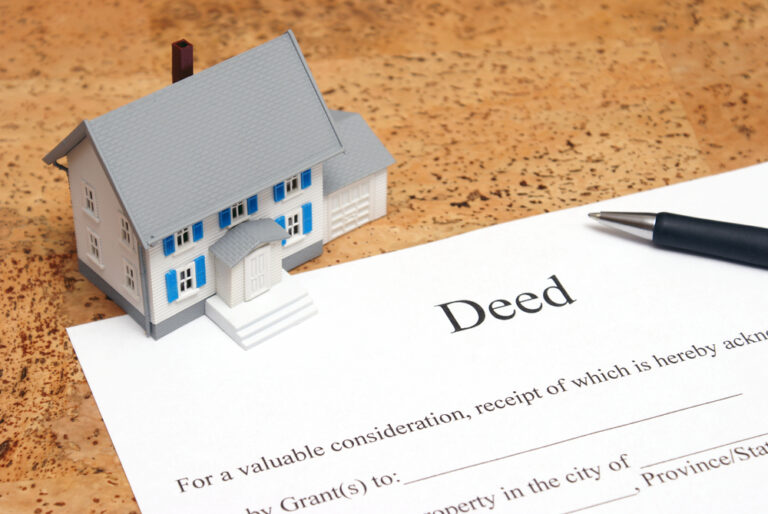
Quick Answer: Texas has several types of property deeds. The most common are general warranty deeds, special warranty deeds, and transfer on death deeds. General warranty deeds give full protection to the buyer. Special warranty deeds give limited protection. Transfer on death deeds let property go … [Read more...]
How to Avoid Medicaid Estate Recovery in Texas

When a loved one needs long-term care through Medicaid, many Texas families wonder what will happen to their home and other assets after they pass away. The Texas Medicaid Estate Recovery Program (MERP) allows the state to recover costs from a deceased person’s estate for Medicaid-covered long-term … [Read more...]
Does POA End at Death in Texas?

In Texas, every power of attorney—durable, general, medical, or springing—ends the instant the principal dies. Under Estates Code §751.131, an agent’s authority stops at death; afterward, only a court-appointed executor or administrator with Letters may handle the estate. What this means for … [Read more...]
At What Net Worth Do I Need a Trust in Texas?

There is no fixed net worth required to create a trust in Texas. Families often establish one for privacy, blended families, special-needs heirs, or out-of-state property, and higher-value estates use trusts to save probate costs and preserve federal tax exemptions. Quick Answer: At What … [Read more...]
How To Get Power Of Attorney For Elderly Parent: Complete 2025 Legal Guide in Texas

In Texas, you secure power of attorney for an elderly parent by having them, while still mentally competent, sign the state’s durable and medical POA forms before a notary (plus two witnesses for medical), then distribute certified copies to agents, banks, and healthcare providers. Quick … [Read more...]
Power of Attorney vs Durable Power of Attorney in Texas

Confused about the power of attorney vs durable power of attorney? In Texas, a Durable Power of Attorney stays effective if the principal becomes incapacitated, while a regular (general) Power of Attorney ends the moment incapacity is confirmed. Both must be signed before a notary, but only the … [Read more...]
Can a POA Change a Will in Texas?

Quick Answer: Can a Power of Attorney change a will in Texas? Under Texas law (2025), a Power of Attorney cannot modify or revoke a will; only the testator can validly change their will through proper execution of a new will or codicil. Work with an estate planning attorney to draft and … [Read more...]
Does the Executor of a Will Get Paid in Texas?

Does the executor of a will get paid in Texas? Yes. The payment an executor receives is commonly referred to as an executor fee or executor's compensation under Texas law. Texas law entitles an executor to up to 5 % of the cash they actually receive or pay out while administering the estate—but … [Read more...]
- 1
- 2
- 3
- …
- 9
- Next Page »