
If OneMain Financial Group, LLC sues you for debt collection in Texas, you must respond by the court’s deadline to avoid a default judgment. Filing an Answer preserves your defenses and forces OneMain to prove its claims. This guide explains what the lawsuit means and the next steps you can take to protect your rights.
Quick Answer
Responding to a OneMain Financial lawsuit in Texas starts with confirming the deadline on your summons and filing an Answer on time. Doing so helps you avoid a default judgment and puts pressure on OneMain to prove its claims.
Review the summons and complaint for the amount claimed and your deadline for responding.
File an Answer with the court to admit or deny allegations and preserve defenses.
Explore resolution options, including challenging the claims, negotiating settlement, or consulting an attorney.
What Is OneMain Financial Group, LLC?
OneMain Financial Group, LLC is a financial services company that provides personal loans, auto loans, and credit cards to consumers in the United States. According to its website, it offers loans from $1,500 to $20,000, and its credit card options may have credit limits up to $1,000 or $3,000.
You may know the company as OneMain Financial or OneMain. Headquartered in Evansville, Indiana, OneMain Financial has about 1,400 branches across 44 states.
Will OneMain Financial Sue Me for Debt Collection?
If you take out a loan or credit card with OneMain Financial and cannot repay it, OneMain may take legal action to try to recover the debt. After a certain period, the company may file a collection lawsuit. If OneMain files a lawsuit against you, it’s trying to obtain a judgment.
OneMain Financial Group hires experienced law firms to handle its debt collection cases. OneMain often works with the Oklahoma-based law firm Morgan & Associates, P.C. for its Texas cases.

What Happens When OneMain Financial Sues You?
If OneMain Financial sues you for debt collection, you should receive a formal notice of the lawsuit. This notice is a summons and complaint. It will outline the details of the lawsuit, including the amount of the debt, OneMain’s allegations, and the deadline for responding.
Once you receive a formal notice, you should respond to the lawsuit as soon as possible. In Texas, the Answer deadline depends on the court. In county/district court, an Answer is due by 10:00 a.m. on the Monday next following the expiration of 20 days after you are served. Tex. R. Civ. P. 99(b). In Justice Court debt cases, an Answer is generally due by the end of the 14th day after you are served. Tex. R. Civ. P. 502.5. However, the timeline depends on which court is handling your case.
Responding to a lawsuit filed by OneMain Financial or any other creditor is essential because failing to file an Answer can lead to a default judgment against you. See Tex. R. Civ. P. 239.A default judgment means that the court has ruled in favor of OneMain Financial without hearing your side of the story. It may obtain a default judgment against you, even if the debt is invalid or there are other problems with the plaintiff’s case.
A judgment may allow post-judgment collection, including writs of garnishment and a judgment lien created by recording an abstract of judgment. See Tex. Civ. Prac. & Rem. Code ch. 63; Tex. Prop. Code § 52.001.
Texas generally does not allow wage garnishment for most consumer debts. There are exceptions under Texas and federal law. See Tex. Const. art. XVI, § 28; Tex. Civ. Prac. & Rem. Code § 63.004.
In your response, known as an Answer, you can admit or deny OneMain’s allegations and raise defenses. By filing an Answer, you avoid a default judgment and require OneMain to prove its claims. It also protects your rights and lets you consider legal options to resolve the case in your best interests.
What Are Common Case Outcomes in a Texas Debt Collection Case?
The outcomes of a debt collection lawsuit filed by OneMain Financial, or any other creditor, can vary depending on several factors, including the strengths and weaknesses of OneMain’s case and your specific situation.
However, common results in Texas debt collection cases may include the following:
- Default judgment. A default judgment means the creditor wins the case by default and may begin court-ordered collection activities. Unfortunately, many collection cases end in default judgments because defendants fail to respond to lawsuits or appear in court.
- Case dismissal. The court may dismiss the lawsuit if the creditor does not have a strong case. For example, the court may dismiss the case if OneMain Financial cannot prove that you owe the debt or that the debt is valid. Other defenses, such as a statute of limitations defense, may also support dismissal. See Tex. Civ. Prac. & Rem. Code § 16.004(a)(3).
- Settlement. Negotiating a settlement with OneMain Financial may be possible, depending on your situation. Creditors are often open to settlement to avoid the time, cost, and uncertainty of litigation. OneMain Financial may be willing to resolve the case out of court through a lump-sum payment or a payment plan.
- Judgment after trial. If the case proceeds to trial, the court will issue a ruling. You will have the opportunity to present your case and defend yourself against the lawsuit.
- Alternative debt resolution. In some cases, bankruptcy may be an option to discharge debts.

How Can Warren & Migliaccio Help Me in a Debt Collection Defense Lawsuit?
Our article has helped you better understand what to expect from a OneMain Financial lawsuit and why taking action to protect yourself matters. However, we recommend consulting with an experienced attorney about your situation.
OneMain Financial Group has experienced lawyers on its side trying to collect the debt from you. You should have someone just as experienced on your side to defend you. At Warren & Migliaccio, we are dedicated to helping our clients reach the best possible outcome for their cases. You can read what our past clients have said about us here.
How We Handled a Similar Situation
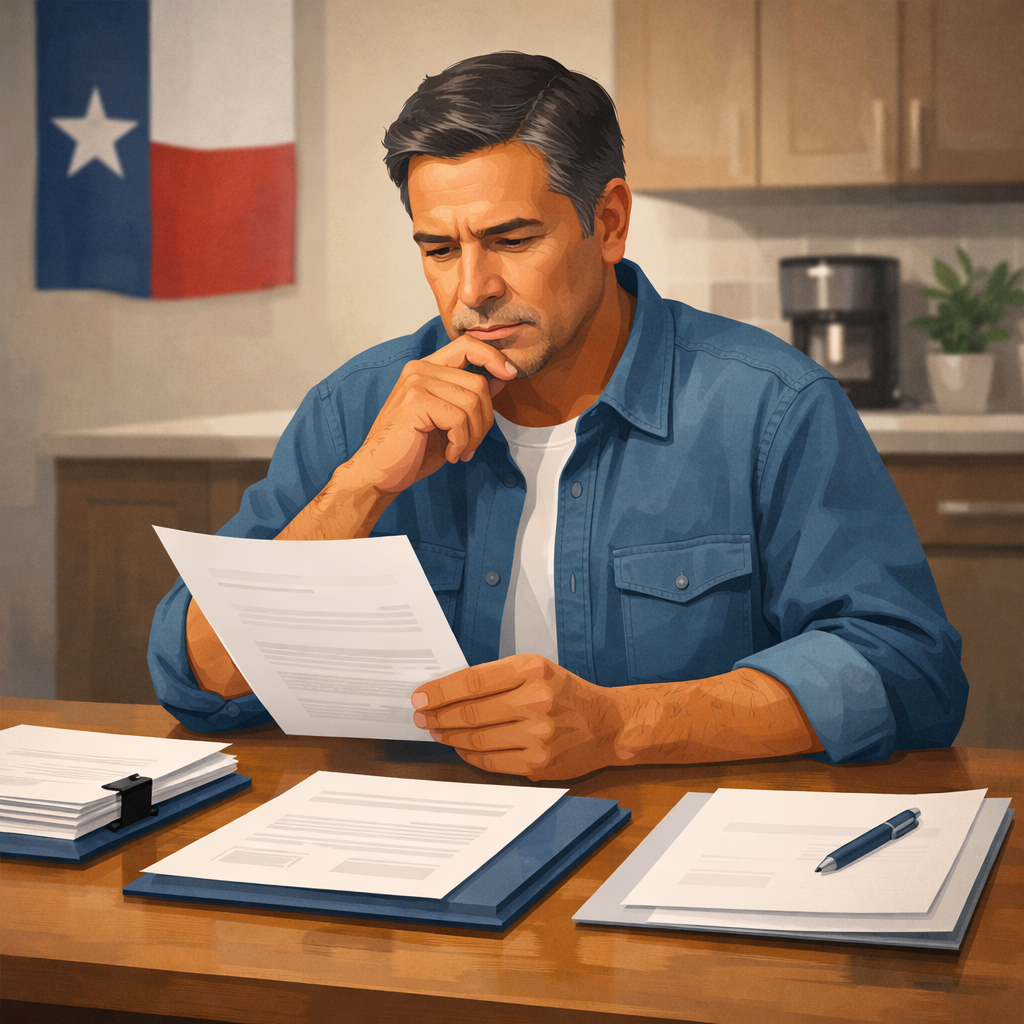
We often meet people in North Texas who open a debt lawsuit and feel panicked—they’re worried they waited too long or that a judgment is already “automatic.”
In one representative case, the first thing we did was slow the situation down and get control of the timeline. We reviewed service details, confirmed the court, and filed a timely Answer so the case couldn’t quietly turn into a default judgment. Then we demanded that the plaintiff prove the debt and the amount claimed with admissible records, and we flagged gaps we regularly see in consumer-debt filings.
The result is usually what clients want most: breathing room and leverage. Instead of reacting to threats, they can evaluate options—challenge the claim, negotiate from a stronger position, or prepare for court with a clear plan.
The Takeaway: Don’t wait to “see what happens.” A timely Answer is often the move that protects everything else.
We may be able to help you in the following ways:
- Answering your legal questions
- Helping you understand your legal rights and weigh your options for resolving the case
- Preparing and filing your formal response (Answer) with the court handling the lawsuit
- Reviewing OneMain’s allegations and evidence
- Gathering documentation and other evidence to support your defense
- Developing a legal strategy that fits your situation and goals
- Representing you throughout the legal process and working toward a resolution
Frequently Asked Questions About OneMain Financial Lawsuits in Texas
Deadlines and Court Process
How long do I have to respond to a OneMain Financial lawsuit in Texas?
In Texas, your response deadline depends on the court. Many debt cases in Justice Court require an Answer by the end of the 14th day after you’re served, while other courts use different rules. Check your citation or summons immediately. Missing the deadline can lead to a default judgment.
What happens if I ignore a OneMain Financial summons?
If you don’t file an Answer, the court may enter a default judgment, meaning OneMain can win without hearing your side. A judgment can open the door to post-judgment collection tools, and it’s harder, and sometimes more expensive, to fix later than responding on time.
How do I file an Answer in a Texas debt collection case?
An Answer is your written response denying or admitting allegations and raising defenses. In most cases, you file it with the court named on your citation before the deadline and keep proof you filed it. Helpful self-help instructions and forms exist for Texas Justice Court debt cases.
What should I include in my Answer to OneMain Financial?
Your Answer typically addresses each allegation and preserves defenses. Keep it clear and organized:
- Admit or deny each claim you can verify
- State defenses you may rely on, if applicable
- Request that OneMain prove its case with admissible evidence
Collections and Enforcement in Texas
Can OneMain Financial garnish my wages in Texas?
Texas generally does not allow wage garnishment for most consumer debts, but a judgment creditor may pursue other collection methods depending on your situation. Because enforcement tools can vary by facts and asset type, it’s smart to get legal advice before assuming you’re safe.
Can OneMain Financial freeze my bank account in Texas?
A creditor usually must first obtain a judgment, then use lawful post-judgment procedures that may include attempts to reach non-exempt funds. If you’re sued, the fastest way to reduce risk is to answer on time and force OneMain to prove its claims before judgment.
Defenses and Legal Rights
What defenses work in a OneMain Financial debt lawsuit?
The best defenses depend on the documents and dates. Common defenses include:
- Statute of limitations (time-barred debt)
- Incorrect amount or fees not supported by the contract
- Mistaken identity or wrong defendant
- Lack of proof of the debt or proof OneMain has standing to sue
What is the statute of limitations on debt in Texas?
Texas generally uses a four-year statute of limitations for many consumer debts. If the claim is time-barred, a collector should not be able to win a lawsuit on it, but the dates matter, and certain actions may affect timing.
Settlement, Proof, and Related Parties
Who is Morgan & Associates, P.C., and why are they involved?
Creditors often hire outside firms to pursue collection lawsuits. OneMain commonly uses firms such as Morgan & Associates, P.C. in debt collection matters, which is why you may see their name on pleadings or notices.
Can I settle a OneMain Financial lawsuit after I’ve been sued?
Yes. Settlement is often possible, but don’t skip your Answer deadline while negotiating. Many borrowers try to resolve the case with a lump sum or payment plan, sometimes even after suit is filed. Get settlement terms in writing and understand how the case will be dismissed.
Does filing bankruptcy stop a OneMain Financial lawsuit?
Bankruptcy often triggers an automatic stay that can pause many collection actions, including lawsuits, but eligibility and outcomes depend on your full financial picture. If you’re considering bankruptcy, talk with a qualified attorney before deadlines expire.
What documents should OneMain Financial have to prove its case?
To win, the plaintiff generally needs admissible evidence showing you owe the debt and the amount claimed. Common documents may include:
- The contract or account agreement
- Payment history or account statements
- Records supporting the balance, interest, and fees
Schedule a No-Obligation Consultation With Our Texas Debt Collection Defense Attorneys
We understand the stress and uncertainty of facing a OneMain Financial lawsuit in Texas. You may have more legal options than you think, but it is important to act quickly to protect your legal rights.
Our debt collection defense lawyers can help you understand your options, gather documentation to support your case, and represent you throughout the legal process. We encourage you to schedule a no-obligation consultation to discuss your situation and how we can help.
Our team represents individuals across Texas, with offices conveniently located in Dallas and Richardson. Call one of our offices or complete our online contact formto schedule a case review today.